
How to Check Whether Your Consumer Unit Needs Upgrading
A consumer unit (fuse box) can look tidy from the outside and still need attention. Equally, an older-looking board is not enough on its own to show that it must be replaced. The useful first step is to note what you can safely observe, then leave checks inside the unit and any diagnosis to a qualified electrician.
What you can check without opening the unit
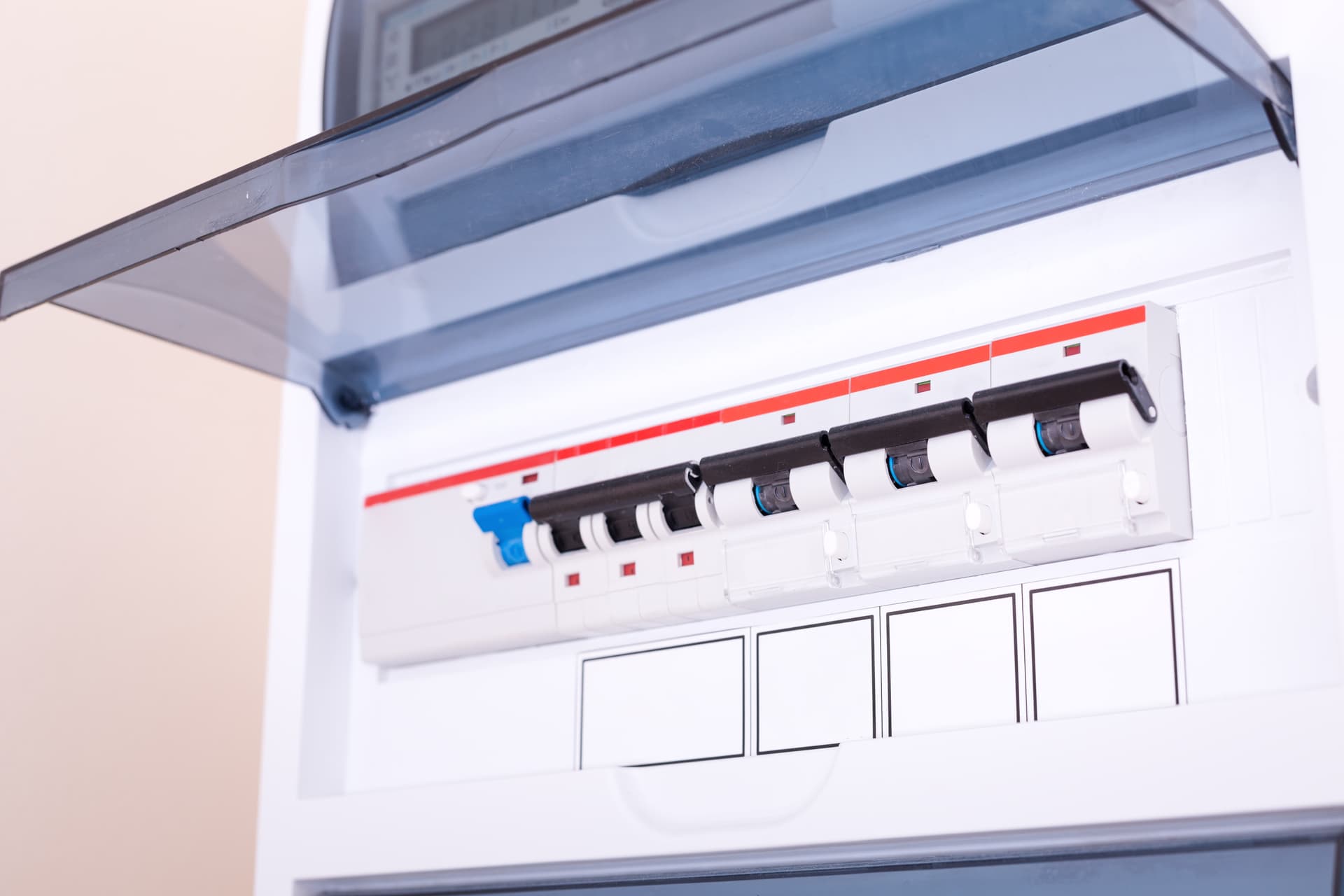
Start with the front of the consumer unit. Look for labels that identify the circuits, such as lighting, sockets or a cooker, and note whether the controls are clearly marked. You may see switches, circuit breakers (switches that protect separate circuits), RCDs (safety devices that cut power when they detect certain electrical faults), or older-style fuse holders. Do not remove the front cover, undo screws or touch anything inside. Parts can remain dangerous even when a switch is off.
Check whether there is a clearly marked test button on an RCD. If there is, follow the manufacturer’s instructions for using it. The test may cut power to some circuits, so consider what is connected before you start. If the device does not trip, will not reset, or you are unsure which switch to use, stop and ask an electrician to check it. Do not force a control or repeatedly switch it on and off.
This test is only a basic check of the device’s test function. It does not establish that the wiring is sound, that every circuit has the right protection, or that the consumer unit is suitable for the way you use the property.
Notice what happens when you use the electrics
Make a note if a circuit trips repeatedly, especially if the same sockets or lights lose power each time. Record what was running when it happened and whether the problem affects one circuit or several. That information can help an electrician investigate, but a trip does not automatically mean the consumer unit is at fault. An appliance, a circuit fault or a change in how a circuit is being used may also be involved.
Look and listen from a safe distance. A burning smell, scorch marks, unusual buzzing, visible damage or warmth around the outside of the unit are reasons to seek prompt professional advice. Do not touch a hot or damaged unit or try to remove its cover. If there is smoke or an immediate danger, move away and contact the emergency services.
Think about what the property needs now
A consumer unit is part of the wider electrical installation. The number and type of circuits, the condition of the wiring and the electrical equipment in use all affect whether the existing arrangement remains appropriate. A household that uses more electricity than before, for example because of electric heating, a new kitchen or an electric vehicle charger, may need its installation assessed. That does not mean a new consumer unit is automatically the answer: the electrician needs to check the existing circuits and the property’s supply as well.
In Eton, a home’s age and previous alterations can also shape what an inspection finds. A replacement board cannot, by itself, correct problems elsewhere in the wiring. If you know of extensions, rewiring or changes to the electrics, mention them when arranging an assessment. The more clearly you can describe the history and the symptoms, the better the electrician can understand what needs checking.
When your observations are not enough
A visual check cannot confirm whether the electrical system is properly connected to earth, whether its safety devices are suitable, or whether circuits have faults. Those checks require appropriate testing by a qualified electrician. Do not try to identify these by opening the unit, probing wiring or copying instructions intended for professionals.
Before deciding on an upgrade, ask what has been found and why the proposed work is needed. It is reasonable to ask whether the concern is the consumer unit itself, a fault on a circuit, the condition of the installation, or a combination of these. Ask what will be tested and whether any separate wiring work is needed. This helps distinguish a board replacement from repair work elsewhere, rather than assuming one job will resolve every concern.
Our Consumer Unit Upgrades service page gives the short overview. If you have noticed recurring trips, damage or a lack of clear protection, contact us to discuss an assessment. We work in Eton and nearby areas, and can explain what your observations do and do not tell you before recommending the next step.
